

📢 Affiliate Disclosure:
This page may contain affiliate links. If you click on a link and make a purchase,
we may earn a small commission — at no extra cost to you.
Our editorial opinions are our own and are not influenced by any commission.
Learn more →
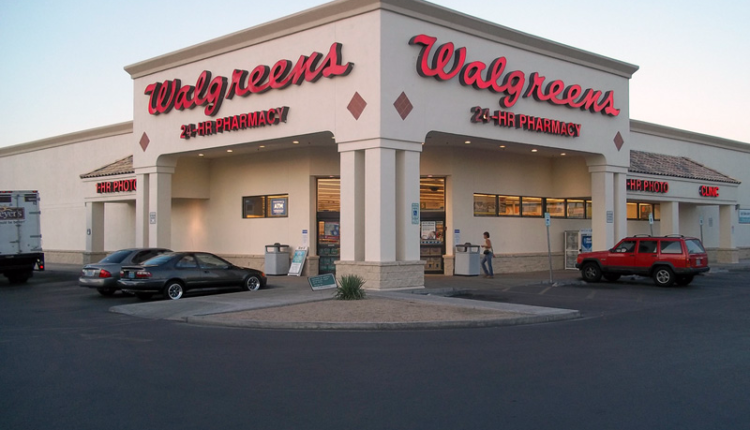
Walgreens. The true giant of pharmaceutical retailing in the US. 8,177 stores across all 50 states, Puerto Rico, the District Of Columbia and the US Virgin Islands. And now with one of the most effective and impressive omnichannel strategies retail has to offer.
In a world where there are more connected devices than people – with the number growing at a five times faster rate – there is now more ways than ever for consumers to interact with brands. Wearable gadgets, smartphones, tablets, fitness trackers – not to mention social media, email and instant messaging – the modern retailer is met with an almost overwhelming task of deciding how best to communicate with the 2016 customer, who is now reachable via a seemingly endless array of channels.
But of course, what it boils down to is that the successful retailer can no longer decide between one channel or another to engage with consumers – all must be used, and indeed all must be combined.
The Omnichannel Imperative
The modern-day consumer expects the digital experience of a retailer to be seamlessly synced with what they find when they actually set foot in a physical store. And indeed, the retailers who support this desire are the ones most likely to succeed.
A few years ago, “showrooming” – where shoppers browsed in physical stores and then went home to get a better deal online – was all the rage, and cited by many as the biggest threat to high-street store, with the Amazon Price Check app perhaps stirring the most controversy.
But physical stores have not disappeared. Indeed, in more recent times, studies have indicated that shoppers are in fact more likely to go online to research products, but then actually go and buy them in a physical store – a practice that has acquired the name of “webrooming”.

A Nielsen survey, for example, found that 60% of consumers browsed online before making an in-store purchase, compared to just 51% who did it the other way round – i.e. browse in-store and then buy online. Elsewhere, Accenture released figures which concluded that 88% of shoppers browsed virtually, but bought physically – whilst 73% browsed physically and bought virtually.
Further figures from a Forrester report reveal that 71% of consumers expect to view an in-store inventory online, while 50% expect to buy online and pick up in-store (BOPUS). In addition, 39% of consumers are “unlikely” or “very unlikely” to visit a retailer’s store if the online store does not provide physical store inventory information.
Download the Full (Free) Innovation Report featuring other case studies from the top innovators in retail
Retailers must of course make what they will of these figures, but one thing is certain – digital channels impact in-store purchases. An omnichannel approach, therefore, is an imperative for the successful 2016 retailer.
Walgreens’ Omnichannel Prescription For Success
Tim McCauley, Sr. Director, Mobile Commerce for Walgreens, reports that omnichannel Walgreens customers spend 3.5-6x more than in-store-only customers – but how do they do it?

Adam Pellegrini, Vice President of Digital Health at Walgreens, calls it their “connected health strategy”. eMarketer asked Pellegrini what was meant by this.
“Omnichannel digital health means that our customers should be able to go online, offline and back online again to a mobile phone, to a tablet, to a phablet. And that experience should be seamless, and it should be cohesive,” said Pellegrini.
“When a consumer is managing their medication, when they are getting virtual consult, virtual visits from a doctor, whether they are getting digital coaching with our new WebMD partnership—we’ll be launching a digital coaching platform—they should be able to have that digital health experience online, but just as easily walk into the store and continue the conversation.
“We know that by creating these convenient, seamless virtual care experiences, it benefits our customers, and it really drives toward that idea of really helping America get healthy.”
In Practice
Walgreens’ connected health omnichannel strategy has many facets, all of which combine to produce an almost irresistible blend of digital and physical (quite literally) experiences for their customers.
Prescription Refills

Its pharmacy, of course makes up a large proportion of Walgreens’ business, with the refilling of prescriptions accounting for much repeat trade. Rather than consumers having to remember to order and then pick up their repeat prescriptions, customers of Walgreens can now either:
Respond to an email from Walgreens confirming a reminder for the refill, and then a second email is sent when it’s ready for pickup.
Use the Walgreens app on their smartphone to scan the barcode on the medicine bottle and automatically generate the refill prescription.
Refill by phone (and receive a text when ready for pickup) or go in to an actual store and order it the good old fashioned way.
Photo Prints

Another great earner for Walgreens is its digital photo printing service, which, can be achieved either in-store, on the Walgreens website, or via the Walgreens app.
Digital Geofencing Loyalty Programs
Like many retailers, Walgreens allows customers to earn points through purchases and spend them like cash in a store or online. These points and coupons are stored on the customer’s Walgreens app. An early barrier to the program was found in the process of the customer having to open up the app whilst in-store. But then Walgreens introduced geofencing. When consumers are near a Walgreens, they’ll receive an alert, which, when swiped, opens the app directly to their rewards card and list of coupons. Quick, simple, and a great reminder of what coupons they’ve already saved, and any new coupons available now.
Fitness Rewards

Walgreens of course want to show their commitment to good health, and so they give customers the opportunity to earn store points for their fitness progress as tracked by a health device, such as the FitBit tracker – a fantastic approach to omnichannel sales and marketing. Virtual Doctor Appointments
Virtual Doctor Appointments
Walgreens has partnered with MDLive to allow their customers to schedule a virtual appointment with a doctor via the Walgreens app. Patients can talk to a doctor about their ailment, and even receive a prescription which can then be picked up in-store, all without having to visit the doctor’s office.
Additionally, the same consumers can also chat with a pharmacist using the app, and ask any questions about their medication that they please. It’s omnichannel convenience at its most advanced.
Final Word
The Walgreens omnichannel approach is quite clearly at the very top of its game. The whole experience of being a Walgreens customer is practically endless, but to mimic it, retailers must figure out how they can tailor the omnichannel tools at their disposal to suit the products and services they provide in their own stores – we don’t all deal in health and prescriptions after all.
Indeed, what Walgreens gets right is that its mobile and omnichannel offerings are completely tied in with the services and products it provides, and of course the overarching health message that the brand strives to deliver. But, at the core, it’s towards the purposes of adding value to the customer experience that Walgreens’ omnichannel strategy focuses, and that is exactly where retailers must also target their similar efforts.
